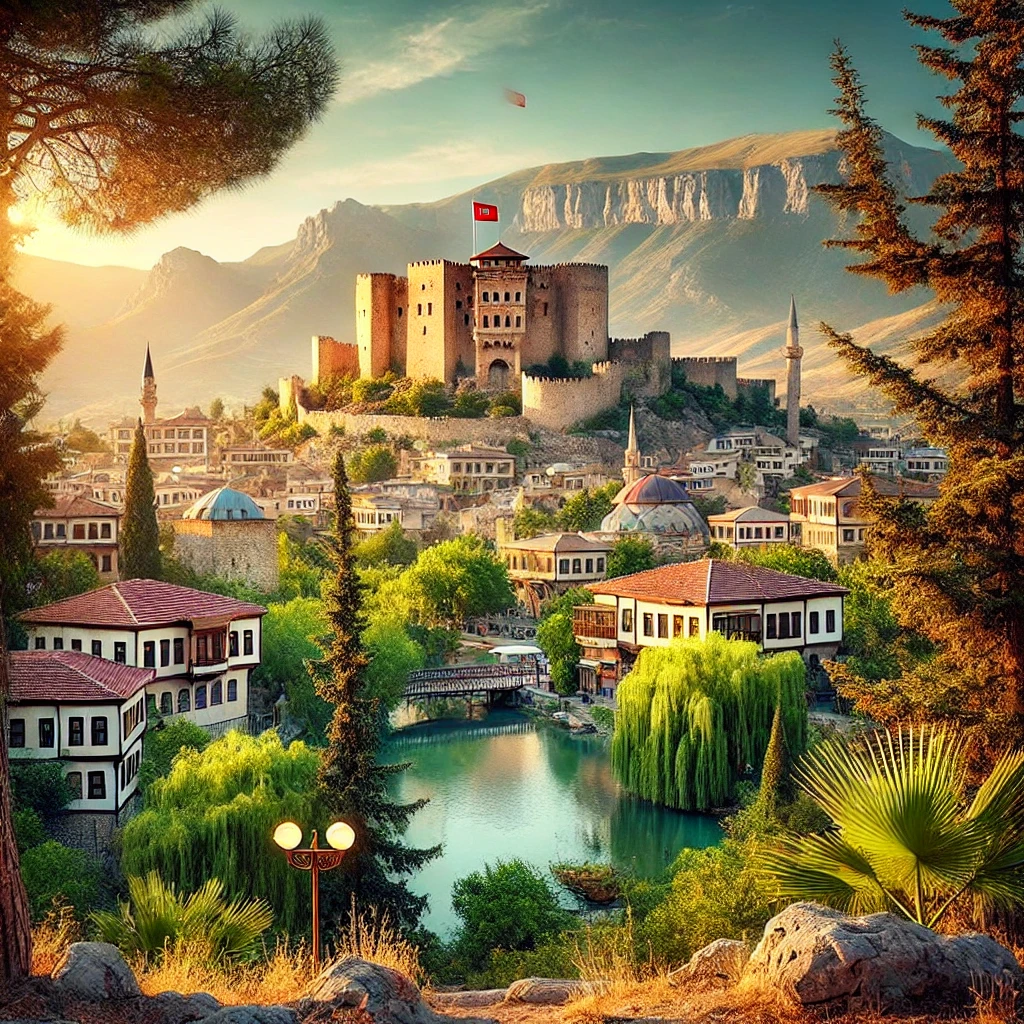
Shopping in Turkey
Turkey, a land where East meets West, offers a diverse and vibrant shopping experience that caters to all tastes and budgets. From bustling bazaars and traditional markets to modern shopping malls and designer boutiques, Turkey is a paradise for shoppers. This comprehensive guide will take you through the various shopping experiences Turkey has to offer, providing valuable insights for travel enthusiasts eager to explore the country’s retail landscape.
Traditional Bazaars
Grand Bazaar, Istanbul
The Grand Bazaar, one of the largest and oldest covered markets in the world, is a must-visit for any shopper in Istanbul. With over 4,000 shops spread across 61 streets, the bazaar offers a wide range of goods, including jewelry, textiles, ceramics, spices, and antiques. The vibrant atmosphere, coupled with the rich history, makes shopping here an unforgettable experience.
Tips for Shopping at the Grand Bazaar
- Bargaining: Haggling is expected, so don’t hesitate to negotiate prices.
- Exploration: Take your time to wander through the labyrinthine alleys and discover hidden gems.
- Authenticity: Look for shops with quality, authentic products and avoid overly touristy areas for better deals.
Spice Bazaar, Istanbul
Also known as the Egyptian Bazaar, the Spice Bazaar is another iconic shopping destination in Istanbul. It’s famous for its aromatic spices, dried fruits, nuts, and Turkish delights. The vibrant colors and enticing scents make it a sensory delight.
Tips for Shopping at the Spice Bazaar
- Sampling: Don’t be shy to ask for samples before purchasing.
- Variety: Explore different stalls to find the best prices and quality.
- Packaging: Make sure to buy well-packaged products for easier transport home.
Modern Shopping Malls
Istinye Park, Istanbul
Istinye Park is one of Istanbul’s most luxurious shopping malls, offering a mix of high-end international brands and local designers. The mall features over 300 stores, an extensive food court, and entertainment options such as cinemas and children’s play areas.
Highlights of Istinye Park
- Luxury Brands: Shop for top brands like Gucci, Prada, and Louis Vuitton.
- Dining: Enjoy a meal at one of the many upscale restaurants or cafes.
- Entertainment: Take a break from shopping with a movie or other entertainment options.
Zorlu Center, Istanbul
Zorlu Center is a mixed-use development that combines luxury shopping with residential and office spaces. The mall is home to prestigious brands, fine dining restaurants, and a performing arts center.
Highlights of Zorlu Center
- Designer Stores: Discover high-end fashion at stores like Chanel, Dior, and Fendi.
- Gourmet Dining: Experience fine dining at renowned restaurants.
- Cultural Events: Attend concerts, theater performances, and other cultural events.
Unique Shopping Experiences
Arasta Bazaar, Istanbul
Located behind the Blue Mosque, Arasta Bazaar is a smaller, more relaxed market compared to the Grand Bazaar. It’s an excellent place to shop for Turkish carpets, ceramics, and souvenirs without the overwhelming crowds.
Tips for Shopping at Arasta Bazaar
- Quality Over Quantity: Focus on finding high-quality items rather than the sheer volume of goods.
- Artisan Shops: Look for family-run shops offering unique, handcrafted products.
- Convenience: Enjoy a quieter shopping experience close to major tourist attractions.
Çarşı Market, Bodrum
Bodrum’s Çarşı Market is a lively market that offers a wide range of products, including clothing, accessories, and local handicrafts. It’s a great place to shop for unique souvenirs and experience the local culture.
Tips for Shopping at Çarşı Market
- Local Crafts: Seek out stalls selling traditional Turkish crafts and textiles.
- Fresh Produce: Try some local fruits and snacks from the food vendors.
- Evening Visits: Visit in the evening for a more vibrant and lively atmosphere.
Luxury Shopping
Nişantaşı, Istanbul
Nişantaşı is Istanbul’s upscale shopping district, known for its chic boutiques, luxury brands, and trendy cafes. It’s the perfect place for fashion enthusiasts looking for the latest trends and designer labels.
Highlights of Nişantaşı
- High Fashion: Shop at luxury stores like Valentino, Alexander McQueen, and Hermes.
- Stylish Cafes: Take a break at one of the fashionable cafes or restaurants.
- Boutique Shopping: Explore unique boutiques offering exclusive designs.
Emaar Square Mall, Istanbul
Emaar Square Mall combines luxury shopping with family-friendly attractions. It features a wide range of international brands, an aquarium, and a cinema complex.
Highlights of Emaar Square Mall
- Family Fun: Enjoy the aquarium and other family-friendly activities.
- Global Brands: Shop at popular international stores like Zara, H&M, and Mango.
- Convenience: Benefit from the mall’s modern amenities and spacious layout.
Art and Antiques
Çukurcuma, Istanbul
Çukurcuma is Istanbul’s antique district, filled with shops offering a treasure trove of vintage items, antiques, and artworks. It’s a haven for collectors and those looking for unique decor pieces.
Tips for Shopping in Çukurcuma
- Authenticity: Verify the authenticity of items before purchasing.
- Exploration: Take your time to explore the narrow streets and hidden shops.
- Negotiation: Bargain politely to get the best deals.
Grand Antique Bazaar, Ankara
Ankara’s Grand Antique Bazaar is a must-visit for antique lovers. The bazaar offers a wide range of antiques, from Ottoman-era furniture to vintage jewelry and collectibles.
Tips for Shopping at Grand Antique Bazaar
- Research: Do some research on the types of antiques you’re interested in.
- Inspect: Carefully inspect items for quality and authenticity.
- Bargaining: Don’t hesitate to negotiate prices with sellers.
Local Markets
Kemeraltı Market, Izmir
Kemeraltı Market is a historic market in Izmir that dates back to the 17th century. It’s a bustling marketplace offering everything from fresh produce to clothing and household goods.
Tips for Shopping at Kemeraltı Market
- Early Visits: Visit early in the morning to avoid crowds and get the freshest produce.
- Local Delicacies: Try local snacks and street food as you shop.
- Exploration: Wander through the maze of streets to discover hidden gems.
Kapalıçarşı, Bursa
Kapalıçarşı, also known as the Covered Bazaar, is a historic market in Bursa. It’s a great place to shop for traditional Turkish goods, including textiles, ceramics, and spices.
Tips for Shopping at Kapalıçarşı
- Traditional Goods: Look for authentic Turkish textiles and ceramics.
- Local Flavors: Sample some of Bursa’s famous local foods, such as İskender kebab.
- Haggling: Bargain with vendors to get the best prices.
Shopping for Textiles and Carpets
Istanbul’s Carpet Shops
Istanbul is famous for its exquisite Turkish carpets and rugs. The city’s carpet shops offer a wide range of styles, from traditional handwoven carpets to contemporary designs.
Tips for Shopping for Carpets
- Quality Check: Ensure the carpet is handwoven and made from quality materials.
- Authenticity: Ask for a certificate of authenticity for high-end purchases.
- Pricing: Compare prices across different shops before making a decision.
Denizli Textile Market
Denizli is known for its high-quality textiles, particularly towels and bed linens. The Denizli Textile Market offers a wide range of products at competitive prices.
Tips for Shopping at Denizli Textile Market
- Quality: Look for products made from Turkish cotton, known for its durability and softness.
- Bulk Buying: Consider buying in bulk for better deals.
- Local Brands: Support local manufacturers and brands for authentic products.
Handicrafts and Souvenirs
Göreme Open-Air Museum, Cappadocia
The Göreme Open-Air Museum is not only a UNESCO World Heritage site but also a great place to shop for local handicrafts. The area is known for its pottery, jewelry, and unique souvenirs.
Tips for Shopping at Göreme Open-Air Museum
- Local Crafts: Purchase items directly from artisans for authentic souvenirs.
- Cultural Significance: Learn about the cultural significance of the crafts you’re buying.
- Support Artisans: Support local artisans by purchasing handmade products.
Şirince Village, Izmir
Şirince is a charming village near Izmir, famous for its wine and handicrafts. The village’s shops offer a variety of locally made products, including olive oil, soap, and textiles.
Tips for Shopping in Şirince
- Wine Tasting: Enjoy wine tasting sessions at local wineries before purchasing.
- Handmade Goods: Look for handmade soaps, olive oils, and textiles.
- Local Economy: Support the local economy by buying from small, family-run businesses.
Practical Tips for Shoppers
Bargaining Tips
Bargaining is a common practice in Turkish markets and bazaars. Approach it with a friendly attitude and enjoy the process.
Bargaining Strategies
- Start Low: Offer a price lower than what you’re willing to pay.
- Stay Polite: Always be respectful and polite during negotiations.
- Know When to Stop: If the seller won’t budge, consider whether the item is worth the price they’re asking.
Payment Methods
Most shops in Turkey accept credit cards, but it’s a good idea to carry some cash, especially when shopping at markets and smaller shops.
Payment Tips
- Cash is King: Small vendors often prefer cash, so keep some on hand.
- Exchange Rates: Be aware of the current exchange rate to ensure you’re getting a fair deal.
- Receipts: Always ask for a receipt, especially for larger purchases.
Conclusion
Shopping in Turkey offers a rich and varied experience, blending traditional markets with modern retail spaces. Whether you’re hunting for unique souvenirs, exploring luxurious malls, or delving into local markets, Turkey provides endless opportunities to satisfy your shopping desires.
From the historic Grand Bazaar in Istanbul to the charming village shops of Şirince, every shopping destination in Turkey has its own unique charm and specialties. By understanding the diverse shopping options and following practical tips, you can make the most of your retail adventures in this fascinating country.
So pack your bags, bring an extra suitcase, and get ready to explore the vibrant shopping scenes of Turkey. Whether you’re a seasoned shopper or a casual browser, Turkey’s markets, malls, and boutiques await with treasures and delights that will make your trip truly unforgettable.